
How to Plan a Loft Conversion in Hull
A Step-by-Step Homeowner’s Guide
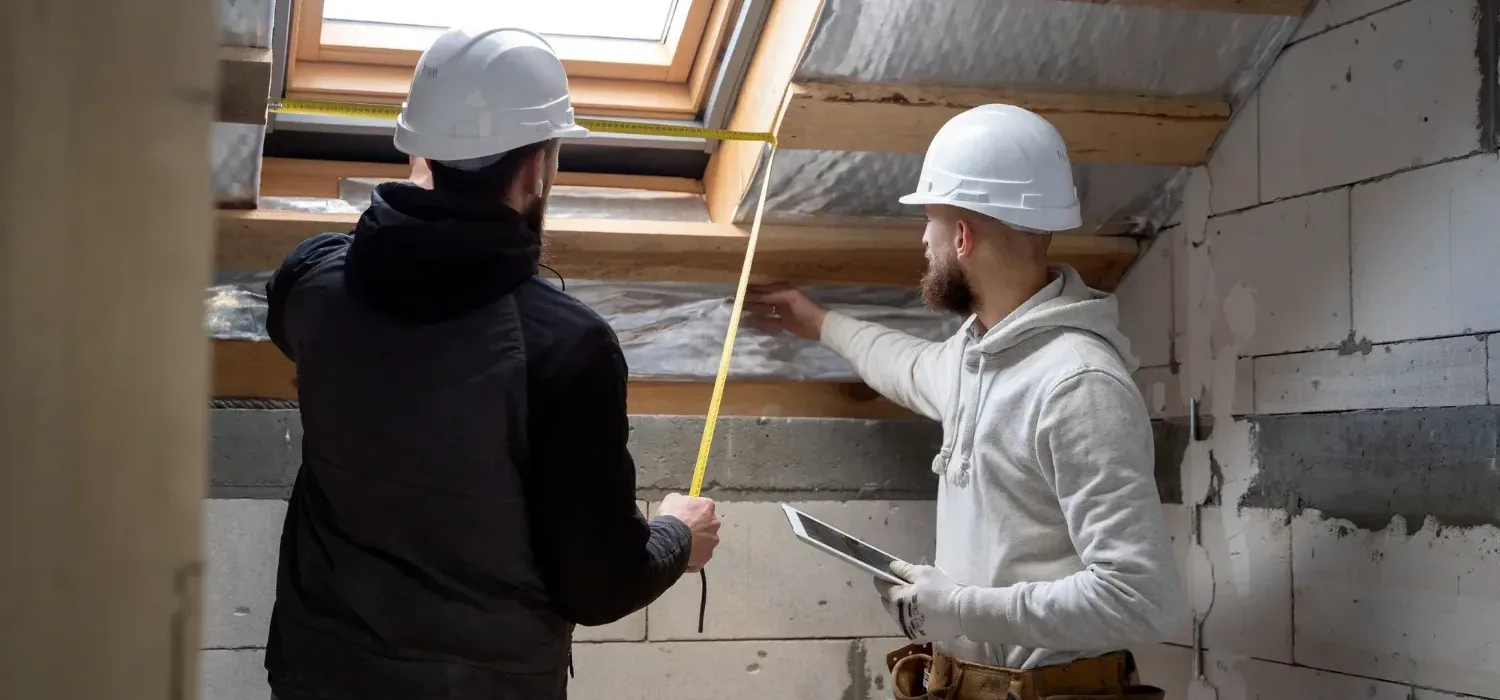
Table of Content
Is Your Home in Hull Suitable for a Loft Conversion?
Planning a loft conversion can completely transform underutilized attic space into a functional and valuable part of your home. If you’re wondering how to plan a loft conversion in Hull, the first step is to determine whether your property is suitable. Not every home can support a loft conversion, and a proper assessment early on saves both time and money.
Several factors influence suitability: roof structure, ceiling height, and house type. Loft conversions require enough headroom to create practical living space, as well as a roof structure strong enough to support additional floors. Evaluating these elements ensures compliance with loft conversion building regulations Hull. Learn more about our loft conversion services here.
Typical homes in Hull, especially older terraced properties, often have sloped roofs and varying ceiling heights. Understanding these characteristics helps homeowners decide which type of loft conversion is feasible and cost-effective.
Minimum height and roof structure explained
When evaluating your loft space, consider:
Ceiling height: At least 2.2 meters from floor to highest point ensures enough usable space.
Roof shape: Pitched roofs are generally easier to adapt; flat roofs may require structural reinforcement.
Structural integrity: The roof must support additional floors and rooms safely.
If your home falls short in any area, solutions like dormer extensions or slight roof modifications may still allow a conversion. Following the correct loft conversion process Hull ensures safety and long-term durability.
Common Hull house types and what works best
Hull is known for:
Victorian and Edwardian terraced houses
Semi-detached homes
Modern detached properties
Each type has unique opportunities for loft conversions. For example, terraced houses often benefit from dormer or Velux-style loft conversions, which increase usable space without extensive structural work. Semi-detached and detached homes may allow for more ambitious designs, such as hip-to-gable conversions, providing additional room while maintaining compliance with loft conversion building regulations Hull.
Recognizing your house type helps in selecting the best type of loft conversion for terraced houses in Hull or other suitable designs. It ensures the new loft integrates seamlessly with the existing home and maximizes the potential of the available space.
Types of Loft Conversions That Work Best in Hull
Choosing the right loft conversion type is essential to make the most of your attic space. The design you select depends on your home’s structure, roof style, and the purpose of the new space. Selecting a conversion that complements your property while following loft conversion building regulations Hull ensures both safety and value.
In Hull, the most common homes, terraced, semi-detached, and detached, have unique requirements. Understanding which conversion suits your property helps you avoid unnecessary structural changes and ensures an efficient loft conversion process Hull.
Loft conversions for terraced houses in Hull
Terraced homes are widespread in Hull, and certain loft conversion types work better than others. The most popular options include:
Dormer loft conversions: Extend the roof outward to create full-height rooms, maximizing usable floor space.
Velux loft conversions: Use roof windows to bring in light without major structural alterations.
Dormer conversions provide more flexibility in room layout, making them ideal for adding bedrooms, offices, or recreational spaces. Velux conversions are less invasive, often quicker, and perfect when minimal construction is preferred. Choosing the right style is part of the best type of loft conversion for terraced houses in Hull.
Dormer vs Velux loft conversions
When deciding between a dormer or Velux conversion, consider:
Space requirements: Dormers increase headroom and floor area, while Velux conversions mainly improve light.
Construction impact: Dormers involve more building work, whereas Velux windows are less disruptive.
Cost and timeline: Dormer conversions are typically more expensive and time-consuming but add more usable space.
Assessing your roof’s structure and ceiling height is crucial to determine which option meets your needs and complies with loft conversion building regulations Hull.
When a hip-to-gable conversion makes sense
Hip-to-gable conversions are best suited for semi-detached or detached homes with sloped roofs. By extending the sloping side of the roof vertically, this design creates a square end wall and additional floor space.
Key points to consider:
Ideal for creating extra bedrooms or bathrooms
Requires careful planning to meet building codes
Adds significant value and functionality to your home
Hip-to-gable conversions are an advanced option but can significantly increase usable space if your property allows. Following the loft conversion process Hull ensures the project is structurally sound and compliant with local regulations.
The Loft Conversion Process in Hull (Step by Step)
Understanding the loft conversion process Hull helps homeowners plan efficiently and avoid unexpected delays. A structured approach ensures each stage is completed safely, within building regulations, and with minimal disruption to daily life. Knowing what to expect can also help you communicate effectively with contractors.
Most loft conversions follow a series of standard stages. While each project is unique, breaking it down step by step makes the process manageable and ensures compliance with loft conversion building regulations Hull.
Initial assessment and design planning
The first stage involves a detailed assessment of your property. Key factors include:
Roof structure and integrity
Available headroom and usable space
The type of loft conversion suitable for your home
Once the assessment is complete, design planning begins. This includes:
Sketching layouts and room positions
Deciding on stair placement and storage solutions
Considering natural light and ventilation
At this stage, homeowners should also check whether planning permission is needed, which will be covered in the next section. A thorough initial plan sets the foundation for a smoother conversion process and avoids costly changes later.
Structural work and construction stages
After planning, construction begins. Typical structural work includes:
Reinforcing floor joists to support the new space
Installing dormers, roof windows, or hip-to-gable extensions
Building internal partitions, stairs, and ceilings
Proper sequencing of these tasks is crucial to ensure the loft remains structurally sound. Following the loft conversion process Hull carefully ensures compliance with regulations and avoids future safety issues.
Final inspections and completion
Once construction is complete, the loft must pass final inspections to ensure it meets building standards. This includes checking:
Fire safety measures, including safe escape routes
Staircase dimensions and headroom
Insulation, ventilation, and energy efficiency compliance
With approvals in place, the loft is ready for furnishing and final touches. A clear understanding of the loft conversion process Hull ensures homeowners are prepared at every stage and reduces the risk of delays or non-compliance.
Hip-to-gable conversions are best suited for semi-detached or detached homes with sloped roofs. By extending the sloping side of the roof vertically, this design creates a square end wall and additional floor space.
Key points to consider:
Ideal for creating extra bedrooms or bathrooms
Requires careful planning to meet building codes
Adds significant value and functionality to your home
Hip-to-gable conversions are an advanced option but can significantly increase usable space if your property allows. Following the loft conversion process Hull ensures the project is structurally sound and compliant with local regulations.
Do You Need Planning Permission for a Loft Conversion in Hull?
One of the first questions homeowners ask is, do I need planning permission for a loft conversion in Hull? The answer depends on the scope of the project and local rules. Understanding what requires approval ensures you stay compliant and avoid fines or forced alterations later.
Many loft conversions fall under permitted development, which allows certain modifications without submitting a formal application. However, exceptions exist, and knowing them is crucial before starting construction.
Permitted development rules explained
Permitted development allows small-scale loft conversions without full planning permission if:
The extension does not exceed 40 cubic meters for terraced houses
The roof alteration does not exceed the existing ridge height
Materials are similar in appearance to the original house
These limits help homeowners take advantage of easier approvals while still creating functional loft space. Even under permitted development, your project must meet all loft conversion building regulations Hull for safety.
Situations where planning permission is required
Planning permission is mandatory when:
The loft extension exceeds permitted development limits
Significant changes affect the external appearance
Structural changes impact neighboring properties
Applying for planning permission can be straightforward if the project is well-documented, but early guidance is essential to avoid delays. This step often requires submitting detailed plans and specifications to the local planning authority.
Conservation areas and local restrictions
Hull has areas where stricter rules apply, particularly conservation zones or listed buildings. In these locations:
External changes must preserve the historical character
Additional permissions or approvals may be required
Some types of loft conversions might not be allowed at all
Being aware of these restrictions helps homeowners plan realistically and ensures that the project complies with both planning regulations and loft conversion building regulations Hull.
Loft Conversion Building Regulations You Must Follow in Hull
Compliance with loft conversion building regulations Hull is critical for safety, legality, and long-term value. These rules cover structural integrity, fire safety, insulation, and energy efficiency. Understanding and following them ensures your conversion is both safe and functional.
Even if your loft falls under permitted development, all building regulations still apply. Skipping this step can lead to enforcement action or difficulties when selling your home later.
Fire safety and stair requirements
Fire safety is a top priority. Key considerations include:
Safe escape routes: Adequate egress in case of fire
Fire-resistant materials: Doors, walls, and insulation must meet standards
Smoke alarms: Properly installed throughout the property
Staircases must be carefully designed to provide safe, easy access without compromising headroom or room layout. Correctly following these rules is essential for a successful loft conversion process Hull.
Insulation, soundproofing, and energy efficiency
Building regulations require lofts to meet energy efficiency standards. Important points include:
Insulation: Adequate thermal insulation in roof and floor
Soundproofing: Minimizing noise transfer between rooms
Ventilation: Proper airflow to prevent condensation
Meeting these standards ensures your new loft is comfortable, energy-efficient, and compliant with all loft conversion building regulations Hull.
Building control approval process
Before, during, and after construction, the local authority may carry out inspections to verify compliance. The process typically involves:
Submitting plans and specifications for approval
Regular site inspections during construction
Final sign-off once all regulations are met
Following this process reduces risk of non-compliance and ensures your loft is legally approved and safe for occupancy.
Common Loft Conversion Mistakes Homeowners in Hull Make
Even with careful planning, homeowners often make mistakes during a loft conversion. Being aware of these common pitfalls can save time, money, and stress, while ensuring the project complies with loft conversion building regulations Hull.
Not checking regulations early
One of the biggest mistakes is starting a project without fully understanding building and planning regulations. Failing to check:
Minimum height requirements
Fire safety and escape routes
Permitted development limits
can lead to delays, additional costs, or even enforcement action. Always consult relevant regulations before committing to any design or construction work.
Poor layout and headroom planning
Another frequent error is neglecting the functional layout of the loft. Key considerations include:
Positioning stairs for optimal space usage
Ensuring adequate headroom throughout
Designing rooms to maximize natural light
A poorly planned layout can make a loft feel cramped and reduce its usability, even if construction is otherwise flawless.
Choosing experience over price too late
Many homeowners focus on cost rather than experience when selecting contractors. This can lead to:
Substandard workmanship
Delays in completion
Non-compliance with building regulations
Prioritizing skilled, experienced professionals early in the process ensures a smoother loft conversion process Hull and a high-quality result that adds real value to your home.
Getting Professional Advice Before Starting Your Loft Conversion
Even the most prepared homeowners benefit from professional guidance. Speaking with an experienced contractor early can save time, reduce stress, and ensure your loft conversion meets both design expectations and regulatory requirements.
What to prepare before speaking to a contractor
Before contacting a professional, gather:
Floor plans and measurements of your existing loft
Ideas for layout, rooms, and storage
Any specific requirements for natural light or ventilation
Having this information ready allows the contractor to provide accurate guidance and helps streamline the loft conversion process Hull.
Why early advice saves time and stress
Early consultation helps identify potential challenges before construction begins. Professionals can advise on:
Structural issues and necessary reinforcements
Planning permission requirements and building regulations
Optimal loft conversion types for your property
Engaging an expert early minimizes surprises, ensures compliance with loft conversion building regulations Hull, and provides peace of mind throughout the project. Discover our professional loft conversion services in Hull.
Get in Touch
Thinking about converting your loft? Get in touch today for a free quote tailored to your Hull home. We’ll help you plan every step and make your dream loft a reality with minimal hassle.